
Tailbone Pain (Coccydynia)
Tailbone pain can be complex. We help you find relief.
Pain at the base of your spine, often worse when sitting, has a name: coccydynia. It’s uncomfortable, but very treatable. When it sticks around, though, there can be more to the story.
Override specializes in chronic pain. Our virtual care team looks at the physical, neurological, and emotional factors that can influence ongoing pain, then builds a personalized care plan around your needs, goals, and life.

of appointments are fully virtual. In-network with most insurance plans in select states.
of patients report improvement*
satisfaction with Override providers*
*Source: Internal Override Health patient-reported outcomes data
What Causes Tailbone Pain?
Coccydynia is pain centered at the coccyx, the small bone at the very bottom of your spine. Unlike general lower back pain, it’s usually sharply localized and gets noticeably worse with sitting, especially on hard surfaces, and better with standing.
Common causes:
- A fall or direct impact to the tailbone
- Prolonged sitting on hard or unsupportive surfaces
- Childbirth
- Repetitive strain from activities like cycling
- In some cases, no clear single cause is identified
Common symptoms:

Localized pain at the very base of the spine
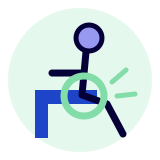
Pain that worsens when sitting, especially leaning back

Pain when standing up from a seated position

Tenderness directly over the tailbone
Chronic tailbone pain is also a nervous system story. Persistent pain in one localized area can lead to a more sensitized nervous system over time, which can keep discomfort present even after the initial injury has healed. This is a real, physiological process most single-provider treatment plans never touch.
When Tailbone Pain Becomes More Than a Sitting Problem
When tailbone pain lasts for weeks or months, it can start affecting much more than sitting.
Pain can change how you work at a desk, how you drive, how you sit through a meal or a movie, and how irritable or on-edge you feel by the end of the day.
That’s why Override doesn’t treat coccydynia as only a localized problem.
We look at the whole pain experience and build a personalized plan around your symptoms, history, goals, and the factors that may be contributing to your pain.
A Whole-Person Approach to Tailbone Pain
You may have already tried a cushion, seen a doctor, or tried physical therapy. Maybe something helped for a while. Maybe nothing did.
Override isn’t about asking one more treatment to solve every part of a complex pain experience.
It’s about bringing the right care together.
Depending on your needs, your personalized care plan may include:

Pain Medicine
Pain specialists trained in pain neuroscience and non-opioid chronic pain management who can oversee your care plan and adjust medications when appropriate.
Physical Therapy
Movement specialists trained in chronic pain who address posture and sitting mechanics contributing to ongoing tailbone pain.

Pain Psychology
Pain-focused therapists who help address the frustration that can build up around a persistent, localized pain that limits everyday sitting.

Coaching & Peer Support
Certified pain coaches help you build sustainable daily habits, including positioning and workstation strategies, and stay supported between visits.
Your care is personalized to you. You may not need every service. The difference is that your providers can work together as one team, with one shared understanding of your pain and your goals.
Real Results
“Override has been a game-changer in my journey with chronic pain. It’s not just about relief; it’s about unlocking my life, revitalizing relationships, and retraining my physical function. I’m getting outside more often, have a little more pep in my step, and for the first time in a LONG, LONG time, I feel hopeful.”
Raymond K.
Override patient


How Is Tailbone Pain Treated?
Most tailbone pain resolves with conservative treatment.
Treatment can include physical therapy, positioning changes, and behavioral approaches. Consistent aggravation, like continuing to sit the same way, is a common reason it drags on longer than it needs to.
We’ve created a complete guide to back pain treatment options, including how different approaches work and when they may be considered.
When Should You Consider Override for Tailbone Pain?

Your symptoms have lasted three months or longer, or keep recurring

You’ve tried a cushion, positioning changes, or other self-care without enough relief

Pain is affecting your work, sleep, mood, or the things you want to do

You’re looking for a more comprehensive approach to managing persistent pain

Override isn’t emergency or acute injury care. If you’ve had a significant fall or direct trauma with severe pain, seek appropriate in-person medical care to rule out a fracture.
Related Conditions


Frequently Asked Questions
Both can cause significant pain, especially after a fall. A fracture tends to involve more intense, sharp pain and may be visible on imaging, while a bruise or soft tissue injury is more common and usually resolves faster. Persistent severe pain after an injury is worth getting evaluated.
Occasionally, but coccydynia is usually a distinct, localized issue rather than a symptom of a broader spine condition. A proper assessment can help rule out other contributing causes.
Mild cases often do, especially with reduced pressure and time, but pain that lingers beyond a few weeks, or that followed a specific fall or injury, is worth having evaluated.
Yes. The tailbone can be strained or bruised during delivery, making postpartum coccydynia a fairly common, and very treatable, occurrence.
Check your coverage and get started in minutes.

