
Sciatica can be complex. We help you find relief.
Sciatica can start with a herniated disc, a tight piriformis muscle, or pressure on the sciatic nerve from a joint or spinal issue. But when the pain sticks around, there can be more to the story.
Override specializes in chronic pain. Our virtual care team looks at the physical, neurological, and emotional factors that can influence ongoing sciatic pain, then builds a personalized care plan around your needs, goals, and life.
of appointments are fully virtual. In-network with most insurance plans in select states.
of patients report improvement*
satisfaction with Override providers*
*Source: Internal Override Health patient-reported outcomes data
What Causes Sciatica?
Sciatica isn’t a condition on its own. It’s a symptom. It happens when something compresses or irritates the sciatic nerve, the longest nerve in your body, which runs from your lower back through your hips and glutes and down each leg. Where you feel it, and how it behaves, often points to why:

Sharp, shooting pain down one leg: usually a herniated disc or nerve compression at the spine
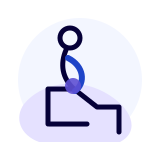
Pain that’s worse sitting than standing: often disc-related
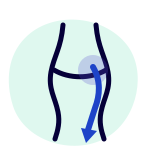
Pain centered in the glute, radiating down the back of the leg: can point to piriformis syndrome

Numbness or tingling alongside the pain: a sign the nerve itself is irritated, not just the surrounding muscle
Common causes
- Herniated or bulging disc
- Piriformis syndrome
- Spinal stenosis
- Degenerative disc disease
- Pregnancy-related pressure on the nerve
Chronic sciatic pain is also a nervous system story.
Pain is processed by the brain, not just the site of nerve irritation. When sciatic pain sticks around, the nervous system can become more sensitized over time, amplifying pain signals even after the original compression has eased. This is a real, physiological process, and it’s a piece most single-provider treatment plans never touch. We’ve built our care model around exploring these different facets of pain to help patients find relief.
When Sciatica Becomes More Than a Leg Problem
When you’ve lived with sciatic pain for months, it can start affecting much more than the leg that hurts.
Pain can change how you sit, how you sleep, how you exercise, what you avoid, and even how confident you feel in everyday mobility.
And those pieces can affect pain in return.
That’s why Override doesn’t treat sciatica as only a nerve-in-one-place problem.
We look at the whole pain experience and build a personalized plan around your symptoms, history, goals, and the factors that may be contributing to your pain.
A Whole-Person Approach to Sciatica
You may have already seen a doctor, tried physical therapy, taken medication, or had an injection. Maybe something helped for a while. Maybe nothing did.
Override isn’t about asking one more treatment to solve every part of a complex pain experience.
It’s about bringing the right care together.
Depending on your needs, your personalized care plan may include:

Pain Medicine
Pain specialists trained in pain neuroscience and non-opioid chronic pain management who can oversee your care plan, guide evidence-based treatment, and adjust medications when appropriate.

Physical Therapy
Movement specialists trained in chronic pain who help you work toward improved strength, mobility, function, and confidence in movement, including the specific positions and activities sciatica tends to limit.

Pain Psychology
Pain-focused therapists who help address the stress, emotions, fear, thoughts, and behavior patterns that can influence the chronic pain experience, including fear of movement that can develop after months of sciatic flare-ups.

Coaching & Peer Support
Certified pain coaches help you turn what you’re learning into everyday habits, work toward meaningful goals, and stay supported between visits.
Your care is personalized to you. You may not need every service. The difference is that your providers can work together as one team, with one shared understanding of your pain and your goals.

Real Results
Nancy H.
Override patient
How Is Sciatica Treated?
There isn’t one treatment that works for every case of sciatica.
The right approach depends on what’s compressing the nerve, how long you’ve had symptoms, your health history, and how pain is affecting your daily life.
Sciatica treatment can include physical therapy, medications, behavioral approaches, injections, and other types of care. When sciatic pain becomes chronic, a combination of approaches may be appropriate.
We’ve created a complete guide to sciatica treatment options, including how different approaches work and when they may be considered.

When Should You Consider Override for Sciatica?
Override is designed for people living with chronic or persistent sciatic pain, especially when pain has lasted for months, keeps coming back, or hasn’t improved enough with the care you’ve already tried.
Override may be a good fit if:

Your sciatic pain has lasted three months or longer

Your pain keeps returning or interfering with your daily life

You’ve tried treatments, medications, physical therapy, or injections without enough relief

Pain is affecting your movement, sleep, work, mood, or the things you want to do

You feel like you’ve been treating individual symptoms without looking at the bigger picture

You’re looking for a more comprehensive approach to managing chronic pain

Override isn’t emergency or acute injury care. If your leg pain is new, follows a serious injury, or comes with symptoms such as new loss of bowel or bladder control, numbness around the groin or saddle area, or severe or rapidly worsening weakness, seek appropriate in-person medical care.
Related Conditions


Frequently Asked Questions
For many people, sciatica improves over time, especially with care that addresses the underlying cause. When it becomes a longer-term problem, that’s often because the underlying contributor hasn’t been fully addressed, or because the nervous system has become more sensitized.
Mild cases sometimes improve without treatment, but sciatica that lasts or keeps recurring is worth having evaluated rather than waiting out indefinitely.
Recovery timelines vary widely depending on the cause, severity, and individual factors. A mild case may improve within weeks, while more involved cases can take longer. Pain that persists well beyond the expected timeline may benefit from a more comprehensive evaluation.
Pain that shifts from the leg or foot back toward the lower back, less numbness or tingling, and improved ability to sit, stand, or walk are patterns some people notice as symptoms ease. Everyone’s course is a little different.
It can, particularly if the underlying contributor, whether a disc issue, muscle imbalance, or sensitized nervous system, hasn’t been fully addressed. This is part of why a comprehensive approach can be valuable for recurring cases.
If pain has lasted more than a week, is getting worse, or comes with numbness, weakness, or loss of bladder or bowel control, it’s worth getting evaluated. The latter symptoms need urgent, in-person medical care.
Gentle movement is generally better tolerated than prolonged bed rest, though the right amount and type depends on your specific situation. A care team can help determine what’s appropriate for you.
Check your coverage and get started in minutes.

