
Neck and shoulder pain can be complex. We help you find relief.
Neck and shoulder pain can start with a muscle strain, a pinched nerve, or an old injury that never fully resolved. Sometimes there’s no obvious trigger at all. But when the pain sticks around, there can be more to the story.
Override specializes in chronic pain. Our virtual care team looks at the physical, neurological, and emotional factors that can influence ongoing neck and shoulder pain, then builds a personalized care plan around your needs, goals, and life.
of appointments are fully virtual. In-network with most insurance plans in select states.
of patients report improvement*
satisfaction with Override providers*
*Source: Internal Override Health patient-reported outcomes data
What Causes Neck and Shoulder Pain?
Where it hurts, and how it started, usually points to why:
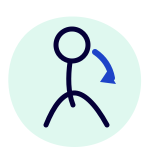
Sudden stiff neck, often after sleeping: commonly a muscle strain or awkward positioning overnight

Pain radiating into the shoulder blade or upper back: often muscular tension or a pinched nerve

Pain when lifting or raising your arm: can point to a rotator cuff issue

Stiffness that limits how far you can move your shoulder: a hallmark of frozen shoulder

Neck pain paired with headache: frequently tension-related, from tight neck and upper-back muscles
Common causes
- Muscle strain from sleeping position or posture
- A pinched nerve in the neck or shoulder blade
- Rotator cuff strain or tear
- Frozen shoulder (adhesive capsulitis)
- Poor desk or device posture
Chronic neck and shoulder pain is also a nervous system story.
When pain in this area continues for months, the nervous system can become more sensitized, amplifying pain signals even after tissue has healed. This is a real, physiological process most single-provider treatment plans never touch.
When Neck and Shoulder Pain Becomes More Than a Muscle Problem
When you’ve lived with neck or shoulder pain for months, it can start affecting much more than the area that hurts.
Pain can change how you sleep, how you work at a desk, how you drive, what you avoid reaching for, and how confident you feel doing the things you used to do without thinking twice.
That’s why Override doesn’t treat neck and shoulder pain as only a localized problem.
We look at the whole pain experience and build a personalized plan around your symptoms, history, goals, and the factors that may be contributing to your pain.
A Whole-Person Approach to Neck and Shoulder Pain
You may have already seen a doctor, tried physical therapy, or taken medication. Maybe something helped for a while. Maybe nothing did.
Override isn’t about asking one more treatment to solve every part of a complex pain experience.
It’s about bringing the right care together.
Depending on your needs, your personalized care plan may include:

Pain Medicine
Pain specialists trained in pain neuroscience and non-opioid chronic pain management who can oversee your care plan and adjust medications when appropriate.

Physical Therapy
Movement specialists trained in chronic pain who help you work toward improved strength, mobility, function, and confidence in movement.

Pain Psychology
Pain-focused therapists who help address the pain related emotional toll, chronic stress and posture-related tension patterns that can influence the chronic pain experience.

Coaching & Peer Support
Certified pain coaches help you turn what you’re learning into everyday habits, including workstation and sleep setup, and stay supported between visits.
Your care is personalized to you. You may not need every service. The difference is that your providers can work together as one team, with one shared understanding of your pain and your goals.

Real Results
Nancy H.
Override patient
Specific Conditions We Treat

Pain and weakness when lifting or rotating your arm, often from injury or repetitive strain

Progressive stiffness that limits shoulder movement, sometimes without a clear injury
How Is Neck and Shoulder Pain Treated?
There isn’t one treatment that works for every case of neck and shoulder pain.
The right approach depends on what’s driving your pain, how long you’ve had it, and how it’s affecting your daily life. Treatment can include physical therapy, medications, and behavioral approaches.
We’ve created a complete guide to neck and shoulder pain treatment options, including how different approaches work and when they may be considered.

When Should You Consider Override for Neck and Shoulder Pain?
Override may be a good fit if:

Your pain has lasted three months or longer

Your pain keeps returning or interfering with your daily life

You’ve tried treatments, medications, or physical therapy without enough relief

Pain is affecting your movement, sleep, work, mood, or the things you want to do

You’re looking for a more comprehensive approach to managing chronic pain

Override isn’t emergency or acute injury care. If your pain follows a significant injury, comes with numbness or weakness, or is paired with chest pressure, shortness of breath, or other signs of a heart attack, seek appropriate in-person medical care right away.
Related Conditions


Frequently Asked Questions
Heat is generally better for ongoing stiffness or muscle tension. Ice is more useful in the first day or two after a specific injury or flare-up of inflammation.
Yes. Prolonged forward-head posture from screens or desk work puts sustained strain on the neck and upper shoulder muscles, and is one of the most common contributors we see.
It can happen with both muscular referral patterns and nerve-related causes. A proper assessment can help distinguish between the two.
If it follows a significant injury, comes with numbness or weakness, or is paired with chest pressure, shortness of breath, or other signs of a heart attack, it needs prompt medical attention.
Gentle movement, heat, and time typically resolve a simple kink within a few days. Forcing the neck to “pop” or stretching aggressively can sometimes make it worse.
Check your coverage and get started in minutes.

